Choosing the right HVAC contractor in Tucson AZ is more than a service call. It shapes indoor comfort, energy bills, and how long your system will keep running before a surprise breakdown. I have walked into houses with DIY duct tape fixes, met homeowners who were sold oversized systems, and seen families saved from a winter-night freeze because the technician asked the one question that mattered. Ask the right questions up front and you avoid most of those scenarios.
Why this matters Tucson's climate stresses heating and cooling systems differently than other regions. Our long, hot summers mean air conditioners carry a heavy load; winter nights can still dip low enough that a poorly sized furnace or heat pump struggles. A local HVAC contractor who understands the desert climate, common equipment failure modes, and efficient installation practices will deliver better comfort and lower operating costs. Getting thorough answers during your first conversation separates a contractor who knows the work from one who only knows the sales pitch.
How to read this guide This is a practical script with the rationale behind each question, the red flags to watch for, and the trade-offs you should accept. I weave in examples from field experience and specific considerations for Tucson homes. Use these questions when you call a company, during a site visit, and to compare written estimates. If you need a starting point for local options, reputable searches for HVAC company in Tucson AZ or HVAC Service Near Me will surface companies like Plunkett Home Services among others. Still, treat a brand name as a starting point, not a guarantee.
Essential questions to ask before hiring
What licenses, insurance, and local permits do you carry? Ask for the contractor's state license number and proof of insurance, including general liability and workers compensation. In Arizona, HVAC technicians often need specific licenses depending on the scope of work. A legitimate HVAC contractor Tucson AZ should provide this information without hesitation. If they stall, that is a red flag. No license or insufficient insurance shifts liability and risk to you if something goes wrong.
Why it matters: permits ensure the work meets code and that a municipality inspector can catch hidden problems like unsafe venting or improper refrigerant handling. Insurance protects your house if a worker is injured on site or if property damage occurs.
What experience do you have with homes like mine and with my specific equipment? Tell the contractor the age of your home, whether it has ductwork or a ductless system, and the brand of existing equipment. A contractor who installs and services only one brand may not be familiar with other systems. Ask for examples: "When was the last time you worked on a 1980s Tucson tract home with original R-22 split system?" Experience with similar homes translates to fewer surprises on install day.
Real-world trade-off: a specialist on a particular brand can be faster and more precise, but may also charge more or recommend replacements when a generalist could repair. Balance the specialist's depth against their cost and your system's life expectancy.
How will you determine the correct size and type of system for my home? A casual answer like "we'll upsell a bigger unit" is a red flag. The right answer includes a Manual J load calculation for size and a Manual D for ductwork if replacements are involved. The contractor should explain how they evaluate insulation, windows, number of occupants, and Tucson-specific solar gain. If you already have ducts, ask whether they will measure static pressure and inspect for leaks.
Field note: I once saw a 3-ton unit replace a 4-ton in a two-story that cut cooling bills by 18 percent because the original was oversized and short-cycled. Correct sizing often improves comfort and efficiency, but replacement cost can rise if ductwork must be resized.
What brands and efficiency levels do you recommend, and why? Good contractors do not push a single "best" brand. They discuss trade-offs: higher SEER for lower runtime and bill savings, a reputable parts supply, and local serviceability. In Tucson, extra attention to air handlers and coil protection matters because dust and mineral-laden air shorten coil life. The contractor should explain warranty coverage in plain terms, including labor terms and what voids warranties.
Ask for estimated annual operating costs, not just the unit price. A unit priced slightly higher can pay back in three to seven years through lower utility bills, depending on usage.
How will you protect my home during the job and handle cleanup? A professional crew brings drop cloths, shoe covers, and tools organized to minimize impact. They should assign a job foreman who will explain access points, how long the job will take, and any drilling or cutting required. Expect clear answers about debris disposal and whether they will remove the old equipment.
Experience-based detail: crews that take 45 minutes to stage and protect the work area often save you time overall, because protected surfaces speed work and reduce mistakes. A contractor who treats this as optional probably treats other details as optional too.
Concrete questions for service and repair
Do you offer emergency HVAC repair, and what are your response times? In Tucson summers, a broken AC is urgent. Ask whether they have after-hours dispatch, typical response windows, and whether emergency visits carry premium charges. A transparent contractor will quote realistic windows, for example same-day response within 4 to 6 hours or next-day for non-critical calls.
What diagnostic steps will you take before quoting repairs? A skilled technician diagnoses before quoting. They should explain that they will check refrigerant charge, compressor condition, capacitor health, control board issues, airflow problems, and any restrictions in coils or filters. If the proposed fix is a parts swap, ask them to show the failed parts and explain root cause. Replacing a part without addressing an underlying airflow or electrical problem often leads to repeat visits.
Red flag: a flat quote over the phone for "AC repair $250" without a site inspection. That can hide high parts costs or worse, misdiagnosis.
How do you price labor and replacement parts? Ask for a clear breakdown: labor rate per hour, whether there is a trip fee, and whether parts are marked up. Reputable contractors provide itemized invoices. If a contractor refuses to estimate part and labor ranges, or uses vague language like "market price," consider other bids.
Practical tip: keep in mind that OEM parts usually cost more but fit better; aftermarket parts can be cheaper but may have shorter lifespans. There is rarely a one-size-fits-all answer. If you are open to an aftermarket option, get a written warranty and compare the total cost of ownership.
Questions about maintenance and long-term service
Do you offer maintenance agreements and what do they include? A maintenance plan should include seasonal tune-ups, filter checks, safety testing, and priority scheduling. Ask whether the plan covers both heating services near me and AC maintenance, how many visits per year are included, and whether parts or discounts are part of the agreement.
Example clause to insist on: written confirmation that a preseason tune-up will include refrigerant checks, condenser coil cleaning, and a blower motor inspection. Those elements prevent the most common Tucson service calls.
How do you handle warranties and callback service? Beyond manufacturer warranties, ask how the contractor handles callbacks. Many problems show up within the first 90 days after an installation. A reliable HVAC contractor Tucson AZ stands behind their work and offers prompt callbacks without extra labor charges for defects on their installations. Get the callback window in writing.
Anecdote: I once saw a family accept a low bid; the contractor provided a two-year warranty on parts, but charged labor for callbacks. After multiple returns, the total paid exceeded the next higher bid with better callback terms.
Local considerations for Tucson homes
What do you do to protect coils and equipment from dust and mineral buildup? Tucson air is dusty and summer monsoons bring particulate matter that clogs coils quickly. Ask about coil protection, regular coil cleaning frequency, and whether the contractor recommends any specific filters or pre-filters. A reasonable recommendation is pleated filters rated MERV 8 or higher for return ducts in homes without sensitive breathing issues, and more frequent coil cleaning compared to low-dust climates.
Do you have experience with shade, orientation, and attic ventilation effects? Orientation and shading influence cooling loads. A contractor who understands how roof overhangs, attic vents, and exterior shading affect system load will design or recommend a system that runs efficiently. If you are planning home improvements like adding a pergola or replacing windows, discuss those plans now.
Comparing estimates: what should a fair written proposal include? A comprehensive written proposal includes scope of work, equipment model and serial numbers if replacements are proposed, efficiency ratings, estimated project start and completion dates, payment schedule, and warranty details. It should also list any exclusions like roof repairs, permit fees, or structural modifications.
Checklist for comparing written bids
- total installed price and itemized equipment cost energy efficiency ratings and expected annual operating cost range warranty terms including labor and parts timeline from permit to completion scope of cleanup and disposal
Negotiation and payment questions
Do you require a deposit, and what forms of payment do you accept? Deposits are common, but the amount should be reasonable. For larger installations, 20 to 40 percent is typical, with the balance upon completion and inspection. Avoid contractors who demand full payment up front. Confirm accepted payment methods and whether financing options or rebates are available.
Can you help me claim utility rebates or tax credits? Many Tucson homeowners qualify for rebates or incentives for high-efficiency equipment. A contractor familiar with local utility programs can help you choose models that qualify and may assist with paperwork. This can reduce net cost substantially, so it is worth asking.
How do you handle unexpected problems discovered during installation? No job goes perfectly. The mark of a good contractor is how they handle surprises. Ask whether they will pause work to provide a change order and an additional estimate if unforeseen issues arise. Verbal agreements on additional costs rarely end well. Get changes in writing.
Two quick scenarios that reveal competence
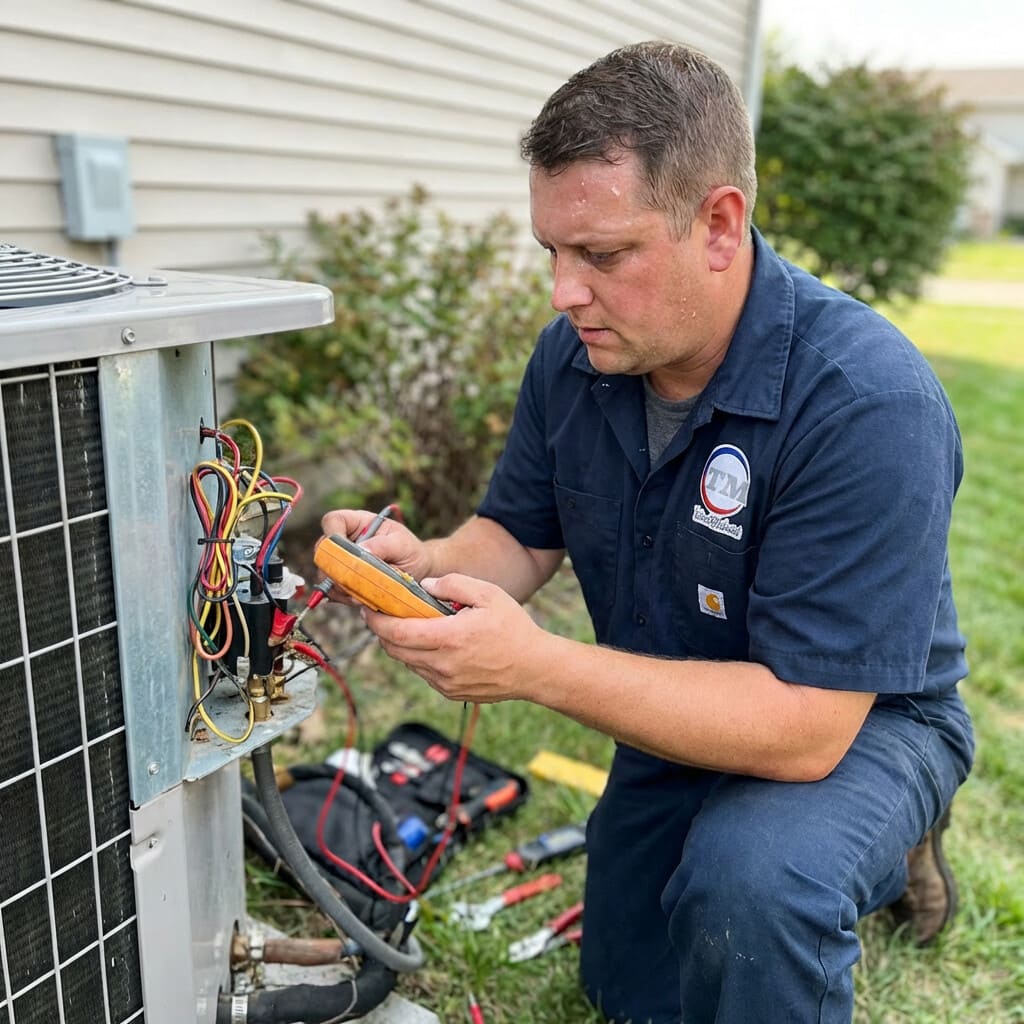
Scenario one: The AC blows warm air after a short run A quick, competent response: the technician measures refrigerant pressure, checks compressor health, inspects the capacitor, and inspects airflow. If the compressor is overheated from blocked airflow, they will fix the airflow problem first. If they suggest replacing the compressor as a first option without these tests, question their approach.
Scenario two: The house has uneven temperatures between floors A knowledgeable contractor checks duct balancing, blower speed settings, and possible zoning solutions. They should measure supply and return airflow and explain whether duct resizing, adding a second zone, or upgrading the system makes the most sense financially.
When to hire and when to wait
Urgent hires: complete loss of cooling during peak summer days, noticeable gas smell, electrical tripping, or water pooling near equipment. Those require immediate attention.
Delayable hires: minor thermostat programming changes, non-urgent filter replacement, or cosmetic duct repairs. Use off-peak months to negotiate better installation windows and possibly lower rates.
Why a local contractor matters in Tucson Local HVAC experts Tucson AZ are familiar with seasonal patterns, common brands stocked locally, and Tucson Building Department permit nuances. They maintain relationships with parts suppliers and can often dispatch same-day for emergencies. A local company like Plunkett Home Services or other established HVAC company in Tucson AZ should be able to demonstrate a service area, references, and local reviews. Treat local knowledge as an asset that reduces downtime and speeds repair.
Final thoughts and next steps Before signing anything, take five practical steps. First, get at least two written estimates and compare them line by line. Second, verify licenses and insurance. Third, ask for references of similar jobs completed in the last 12 months. Fourth, ensure the proposal includes a clear warranty and callback policy. Fifth, schedule work for a time when you can inspect the site at key milestones, like the arrival of equipment and initial startup.
Asking these questions will make the difference between a one-time transaction and a long-term service relationship that keeps your home comfortable and your bills predictable. You do not have to memorize every technical term. Prioritize clear, written answers and documented promises, and choose a contractor who explains options callplunkett.com instead of pushing one-size-fits-all solutions. The right HVAC contractor Tucson AZ earns your trust through transparent estimates, a clean jobsite, and consistent follow-up.
Plunkett Home Services
3144 E Fort Lowell Rd, Tucson, AZ 85716
+1 (520) 808-2743
[email protected]
https://callplunkett.com/